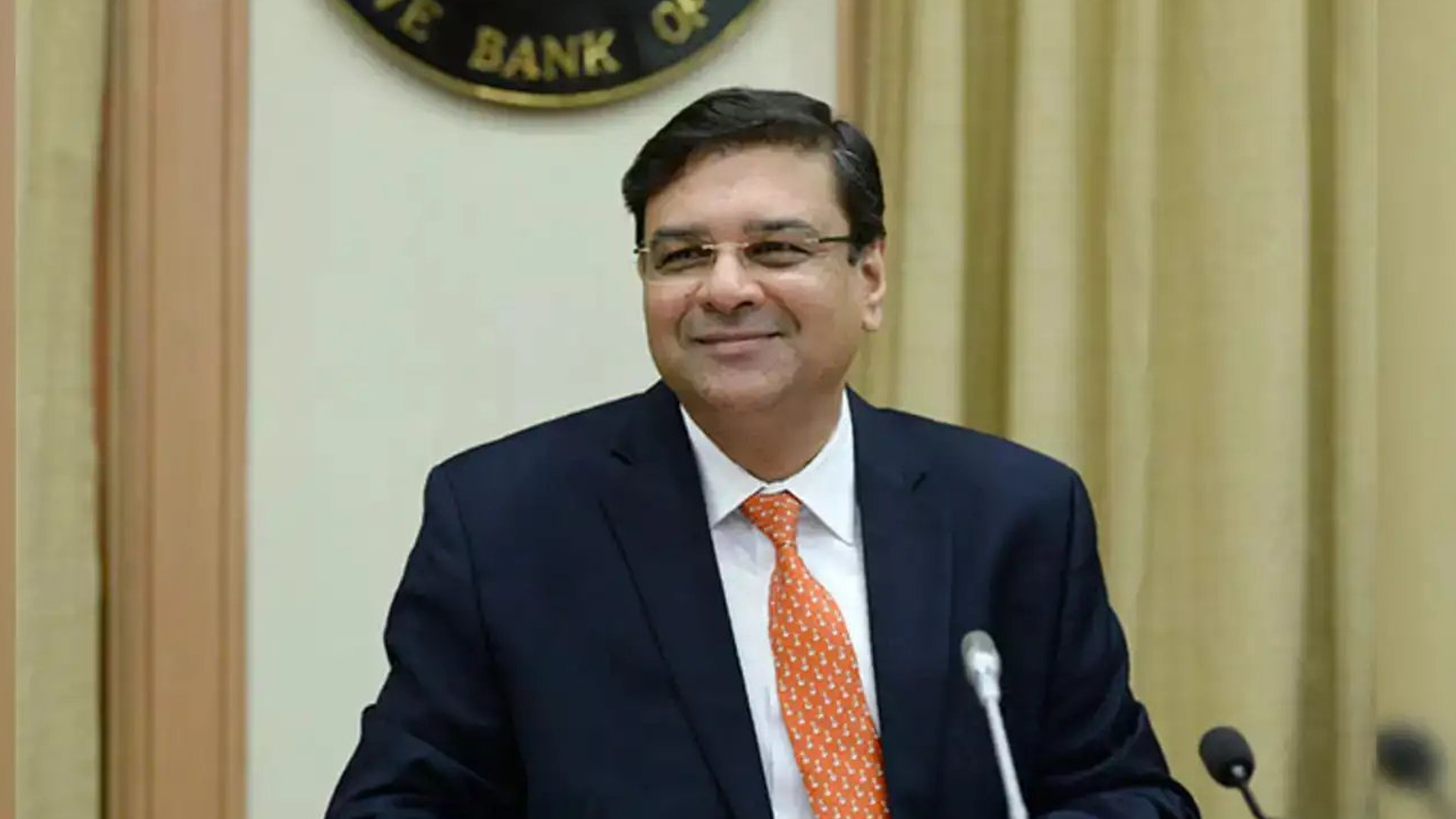
New Delhi: After nearly seven years away from India’s central banking spotlight, Dr. Urjit Patel, the former governor of the Reserve Bank of India, is set to take on a new and highly visible role. The government has appointed him as India’s Executive Director at the International Monetary Fund (IMF), a position that has been vacant since the abrupt early exit of Krishnamurthy Subramanian in April. Patel’s tenure at the IMF is slated for three years from the date he assumes charge, or until further notice.
The Executive Director post at the IMF is far more than a ceremonial assignment. Patel will sit on the Fund’s executive board, deliberating on policies that shape the economic future of member nations, approving financing to help countries address temporary balance-of-payments challenges, and guiding programs to strengthen financial systems worldwide. The role places him at the heart of international economic policymaking, giving India a platform to influence global fiscal and monetary trends.
Urjit Patel’s return is notable not just for the responsibilities it entails, but also for the journey that brought him here. He first joined the RBI as deputy governor in January 2013, helping steer the central bank through a period of significant reform. When he became governor in September 2016, he was the first to implement monetary policy through the newly formed Monetary Policy Committee, an innovation designed to bring greater transparency and consistency to India’s interest rate decisions. Under his watch, the RBI adopted a flexible inflation-targeting framework, successfully bringing down the country’s consumer price index inflation to 3.3 per cent in 2017 and four per cent in 2018, from 6.7 per cent in 2014.
Yet, Urjit Patel’s tenure was not without turbulence. Tensions with the government grew over the management of the RBI’s reserves and the country’s economic capital framework. While the central bank sought to maintain substantial reserves as a buffer, the finance ministry argued that excess funds should be returned to the government. Patel has described in memoirs how Prime Minister Narendra Modi personally intervened, noting that the RBI “could not be squatting on excess capital like a snake sits on a treasure.”
Another area of friction was India’s insolvency and bankruptcy framework. Urjit Patel lamented that reforms aimed at creating a transparent, time-bound process for recovering debts were being weakened, creating disorder in the system. His February 2018 circular on stressed asset resolution, which aimed to enforce a structured mechanism for banks to recover bad loans, faced intense criticism and was ultimately struck down by the Supreme Court.
Despite these challenges, Patel left the RBI with a reputation for rigor, independence, and expertise, qualities that the government now appears to recognize once again. He has spent the intervening years as chairman of the National Institute of Public Finance and Policy in New Delhi, continuing to shape debates on fiscal policy and public finance.
At the IMF, Patel will have a stage to bring his experience to the global arena. As India’s representative, he will help navigate complex multilateral discussions on economic stability, development, and reform, while ensuring the country’s voice is heard in decisions that affect the financial health of nations worldwide.
For Patel, the appointment represents a return not only to policymaking but also to international engagement, a chance to combine decades of domestic expertise with a growing role on the world stage. In a landscape where economic decisions ripple across borders, his stewardship at the IMF promises to be watched closely, both at home and abroad.