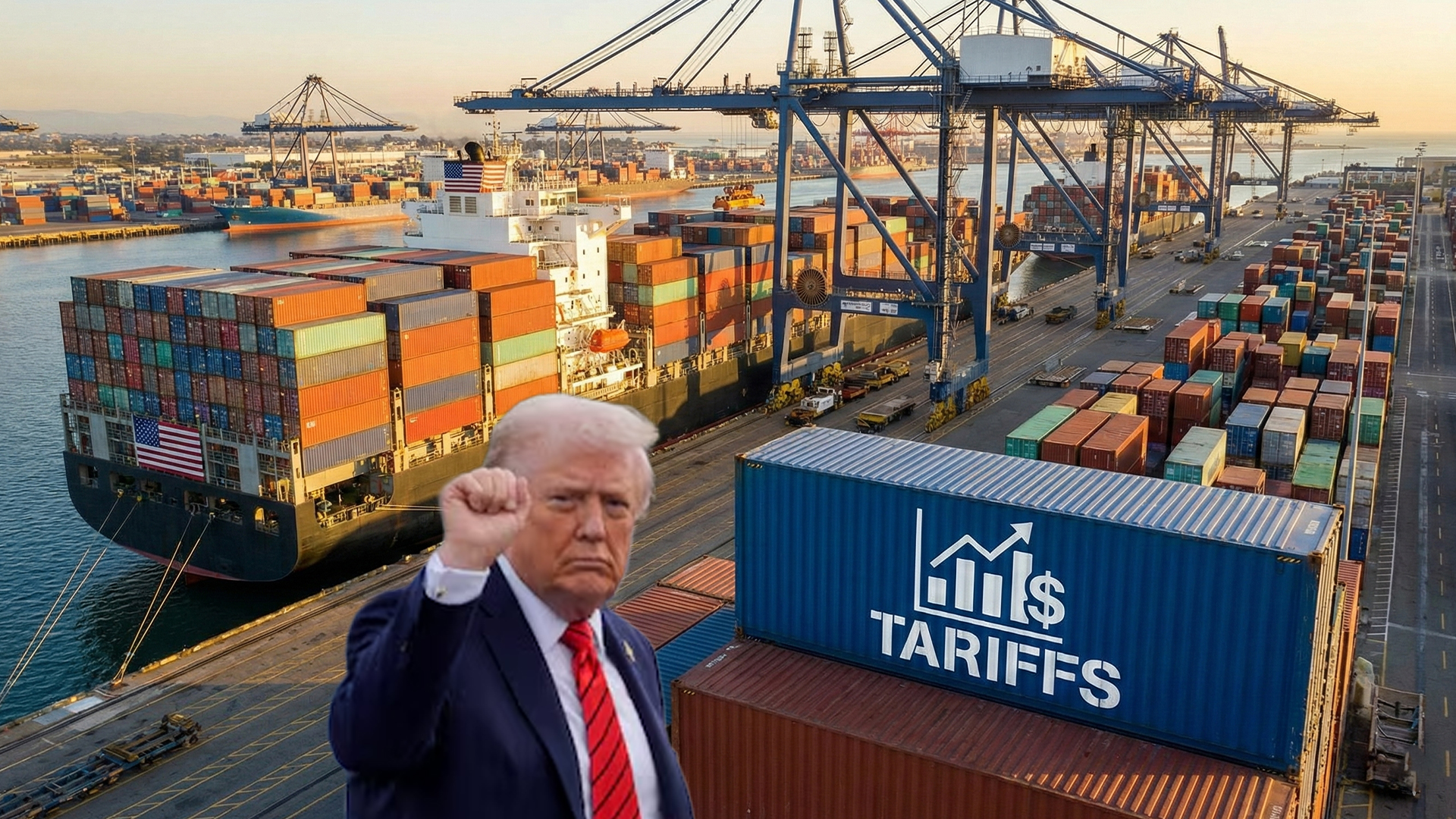
United States President Donald Trump has said that America’s tough trade measures are delivering massive financial gains, claiming the country will receive more than $600 billion in tariff revenues from import duties imposed under his leadership.
In a post on his social media platform Truth Social, Trump said the US has already collected, and will soon collect, over $600 billion from tariffs on foreign goods. He described the revenue as evidence that his trade strategy has strengthened the economy and improved national security, while accusing sections of the media of downplaying the figures.
Trump argued that negative coverage of tariffs was aimed at influencing an upcoming Supreme Court decision that will determine whether his administration acted within the law while imposing some of the levies. The former president said the courts should recognise tariffs as a key tool for protecting American interests.
The tariffs were imposed after Trump returned to office in January 2025 and include steep duties on imports from several countries. Some products face tariffs as high as 50 per cent, including goods from India and other major trading partners. Trump has long argued that such measures are necessary to address unfair trade practices and reduce the US trade deficit.
According to Trump, tariffs force foreign exporters to contribute fairly to the US economy rather than placing the burden on American taxpayers. He has repeatedly said tariffs help revive domestic manufacturing and reduce dependence on overseas suppliers.
However, critics challenge Trump’s claims, arguing the $600 billion figure does not match official data on tariff collections. Economists also warn that higher tariffs often lead to increased prices, as companies pass higher import costs on to consumers.
The issue has taken on added significance as the US Supreme Court prepares to hear legal challenges questioning whether Trump exceeded presidential authority by using emergency economic laws to impose some tariffs. A ruling against the administration could trigger large-scale refunds and policy rollbacks.