The government has introduced two bills in the Lok Sabha to continue high taxation on tobacco and pan masala as the GST compensation cess phases out. Finance Minister Nirmala Sitharaman tabled the Central Excise (Amendment) Bill, 2025 and the Health Security and National Security Cess Bill, 2025, aiming to retain revenue and curb consumption of “sin goods.”
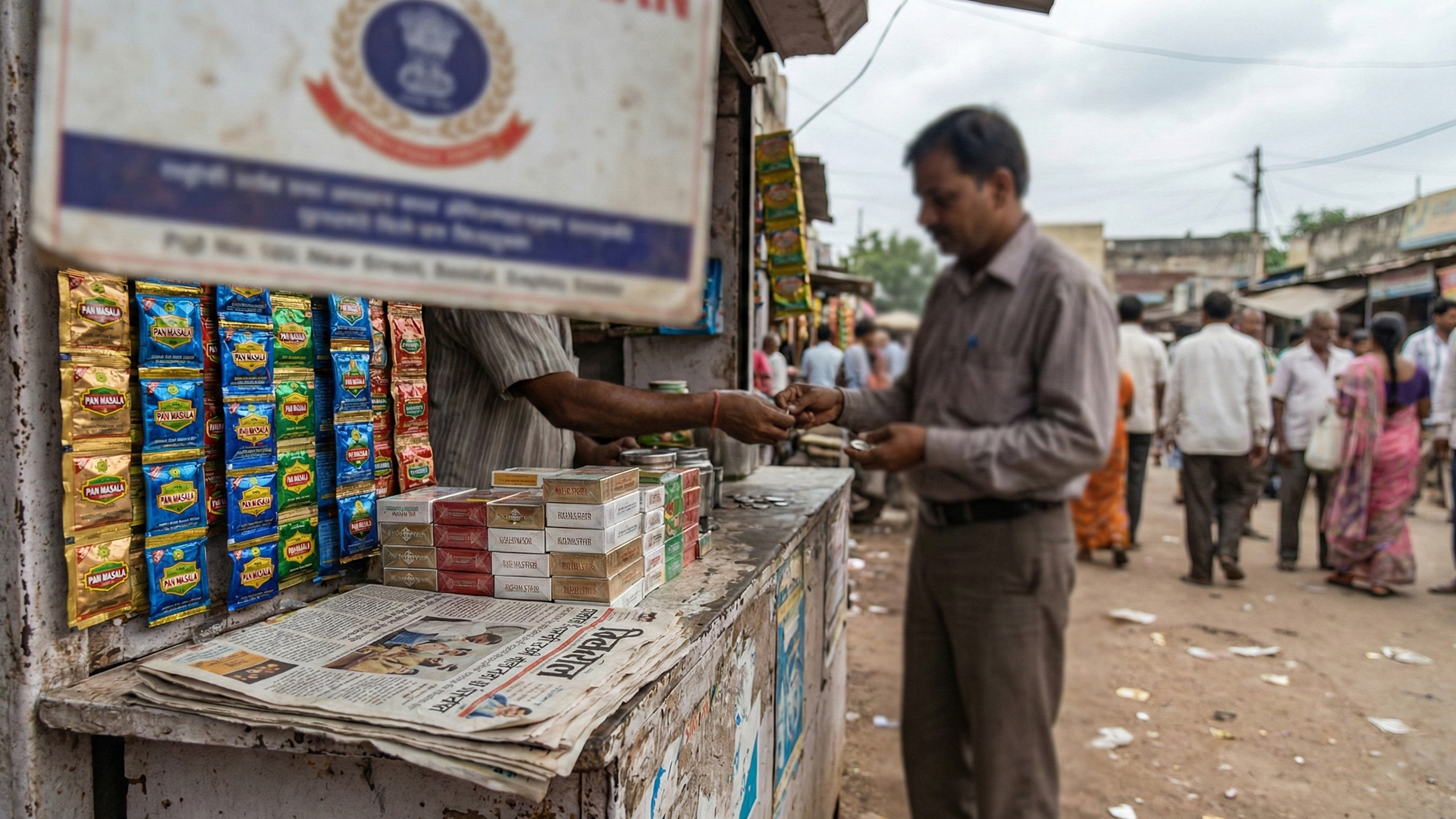
Currently, tobacco products and pan masala are taxed under 28% GST plus a special compensation cess. This cess was meant to compensate states for any revenue shortfall after the rollout of GST but will end once the related GST loan is repaid. The new bills propose replacing it with higher excise duty and a separate manufacturing-based cess on pan masala and similar products.
Under the proposed excise duty framework, cigarettes, cigars, chewing tobacco, hookahs, zarda, and other tobacco products will attract revised rates. Cigarettes, depending on length and type, may face duties between ₹5,000 and ₹11,000 per 1,000 sticks. Unmanufactured tobacco could attract 60–70% duty, while nicotine or inhalation products may face 100% duty. These rates will be in addition to the 40% GST applicable to such goods.
The new cess on pan masala production will be linked to manufacturing capacity rather than per unit sold, meaning factories will pay based on machine speed or production volume. The move is intended to maintain high retail prices and continue revenue collection from these products after the GST compensation cess ends.
Lawmakers raised concerns about the bills, noting they focus on revenue without addressing health warnings or state revenue sharing. Unlike the GST compensation cess, the new cess will go directly to the central government, potentially affecting states’ finances.
The bills are part of a broader strategy to maintain tax revenue while discouraging consumption of products considered harmful to health. They signal that cigarettes, gutkha, pan masala, and other tobacco products are likely to remain costly for consumers, while manufacturers, especially smaller units, may face higher compliance and tax burdens.
The bills were tabled during the Winter Session of Parliament on December 1, 2025, and will now be considered for discussion and approval.
Also Read: PM Modi urges progress at parliament winter session