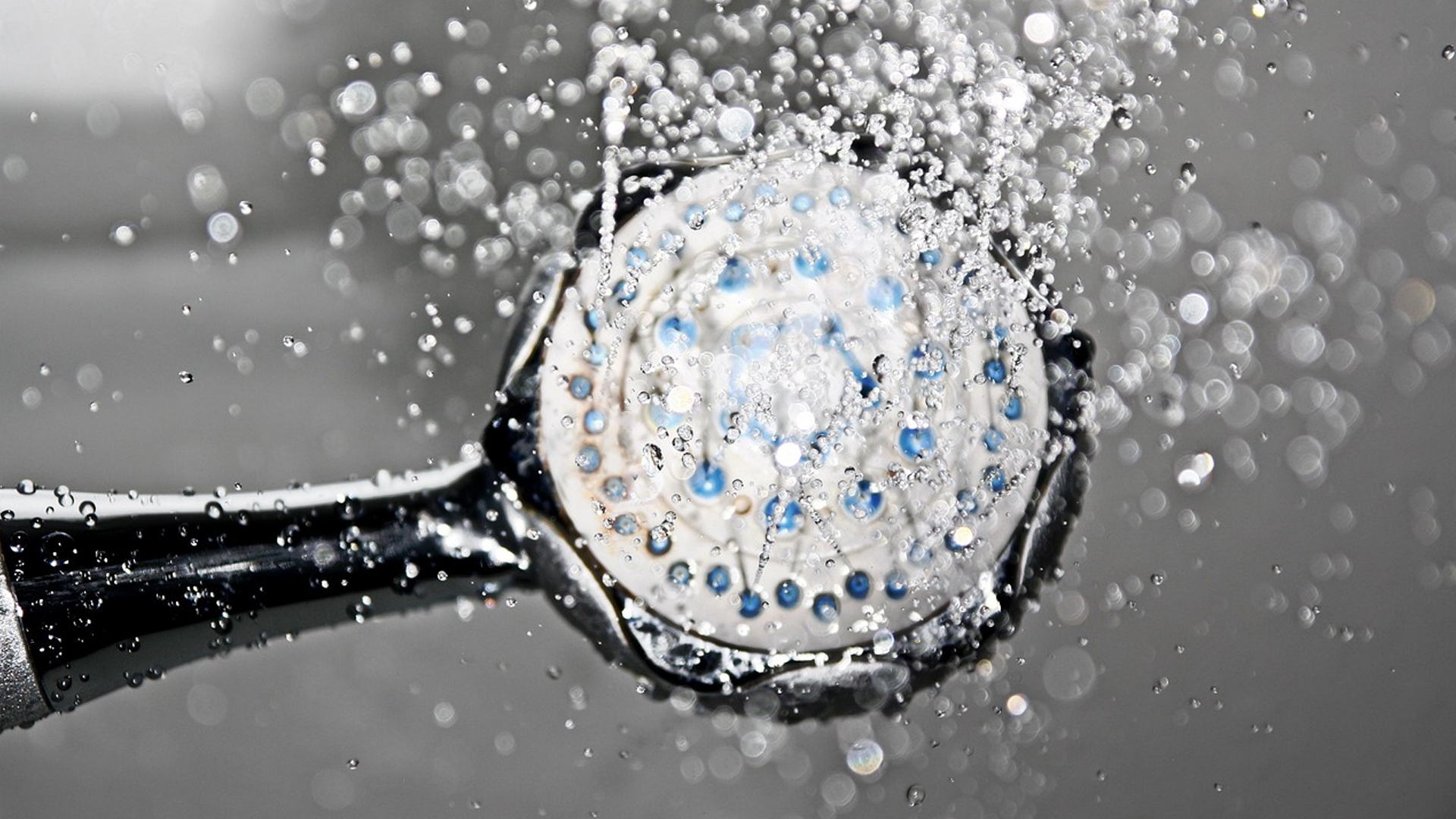
Cold showers may be the latest viral wellness trend, but a wave of online warnings has sparked anxiety, especially among men in their 30s and 40s, linking the practice to increased stroke risk. Health experts say those fears are overstated and not supported by science.
Sudden exposure to cold water does cause a brief “cold shock” response whwerein the heart rate spikes, breathing quickens, and blood pressure rises momentarily. But for people in good health, this reaction doesn’t translate into a higher risk of stroke. Cardiologists cite this as a normal physiological adjustment. While cardiovascular events do occur more frequently in the early morning, shower temperature isn’t always a deciding factor.
That being said, doctors urge caution for individuals with underlying heart disease or high blood pressure. Some medical professionals advise that people already having cardiovascular issues, it’s best to avoid extremes, whether that’s very cold or very hot water.
For most healthy adults, cold showers may actually offer a few perks. They can improve blood circulation by constricting and then reopening blood vessels, give skin a healthy flush, and provide an instant jolt of energy and mental clarity. Athletes often swear by them for faster muscle recovery, while some studies suggest mild immune‑boosting effects through brief cold exposure.
The key, experts emphasize, lies in listening to your body and easing into the habit. Start with shorter exposures or alternate between warm and cool water to help your body adapt comfortably.
Cold showers can be refreshing and even beneficial, but they’re not a cure‑all or a cause for alarm. As with most health trends, balance and common sense go a long way. Before embracing any extreme wellness practice, it’s wise to consider your own health profile and get medical advice if needed.
Also Read: Canada Sees 60% Drop in Students, Indians Most Affected