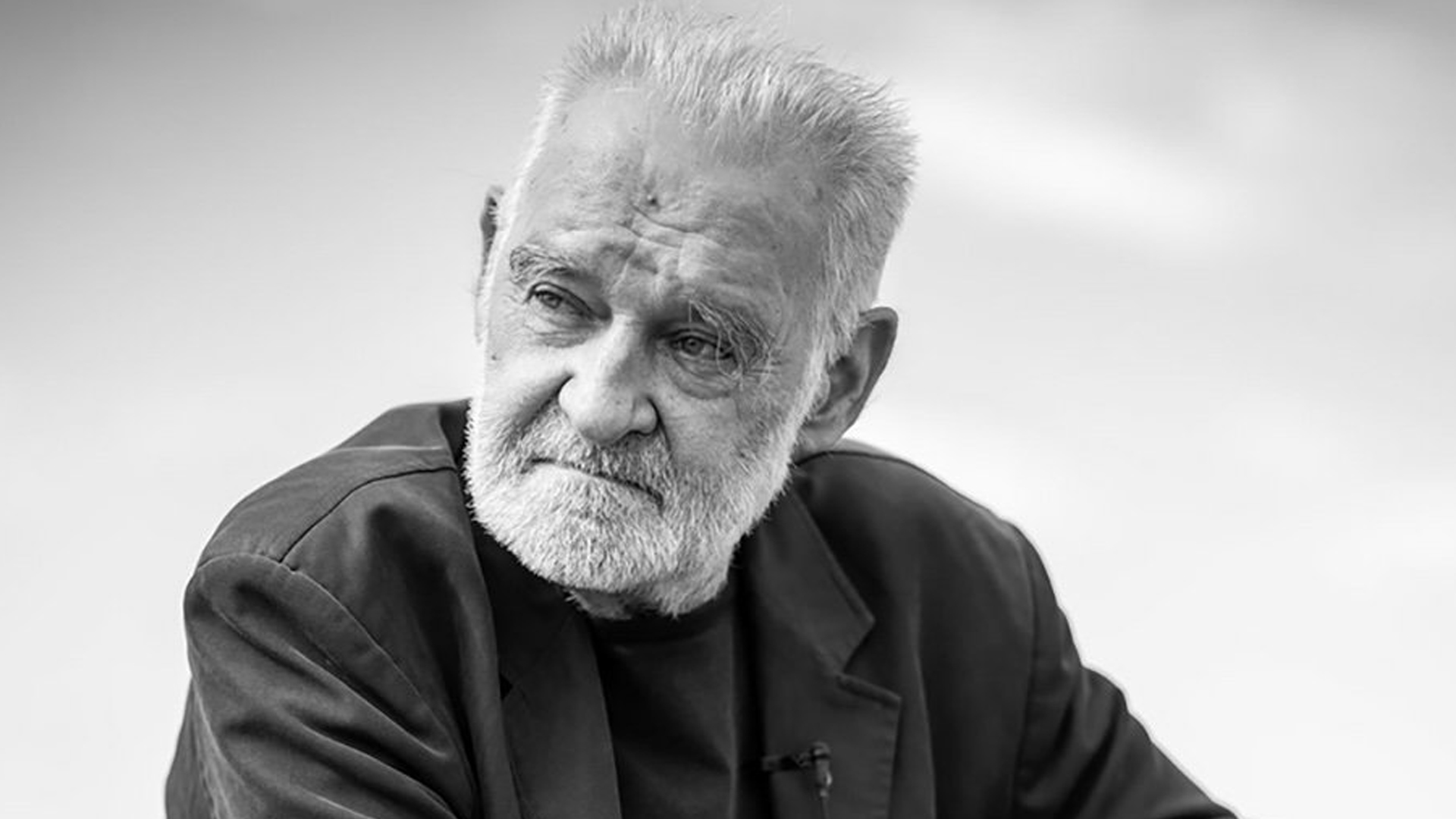
Béla Tarr, the Hungarian filmmaker whose long, unbroken shots and haunting black-and-white images redefined world cinema, has died at the age of 70 after a prolonged illness. Revered by critics and filmmakers alike, Tarr was never interested in entertainment in the conventional sense. His films asked viewers for patience, empathy and reflection. He rewarded them with unforgettable cinematic experiences.
Born in 1955 in Pécs, Hungary, Tarr entered filmmaking almost by accident, picking up a camera as a teenager to document everyday struggles. That raw honesty stayed with him throughout his career. His early films focused on working-class lives, while his later work turned increasingly philosophical, exploring loneliness, moral collapse and the quiet endurance of ordinary people.
Tarr’s global reputation rests largely on Sátántangó (1994), a seven-and-a-half-hour epic that became legendary for its hypnotic pace and bleak beauty. What might have seemed extreme to some was, for Tarr, an act of sincerity. “Life is slow,” he often said, and his cinema reflected that belief. Films such as Werckmeister Harmonies and The Man from London further cemented his place as a singular voice in world cinema.
His final film, The Turin Horse (2011), was widely seen as a farewell for it was spare, sombre and deeply moving. After its release, Tarr announced his retirement from filmmaking, saying he had reached the end of what he wanted to express as a director.
Yet he did not step away from cinema altogether. In his later years, Tarr devoted himself to teaching and mentoring young filmmakers through the film.factory programme in Sarajevo, encouraging them to find their own voices rather than imitate his.
Béla Tarr never chased popularity or box-office success. Instead, he pursued truth, atmosphere and emotional depth with rare conviction. His films are patient, demanding and deeply human, that will continue to speak to those willing to slow down and listen.