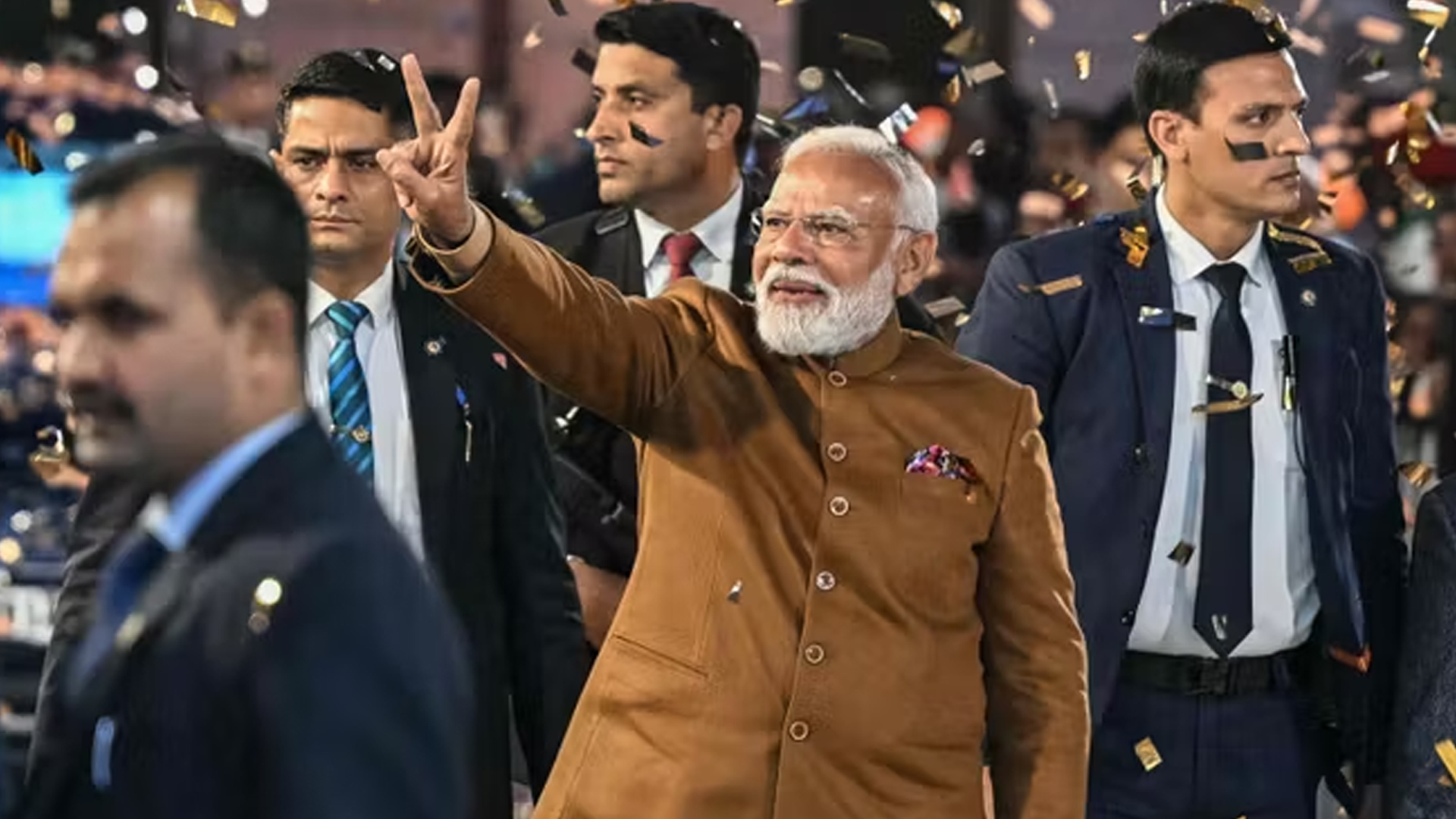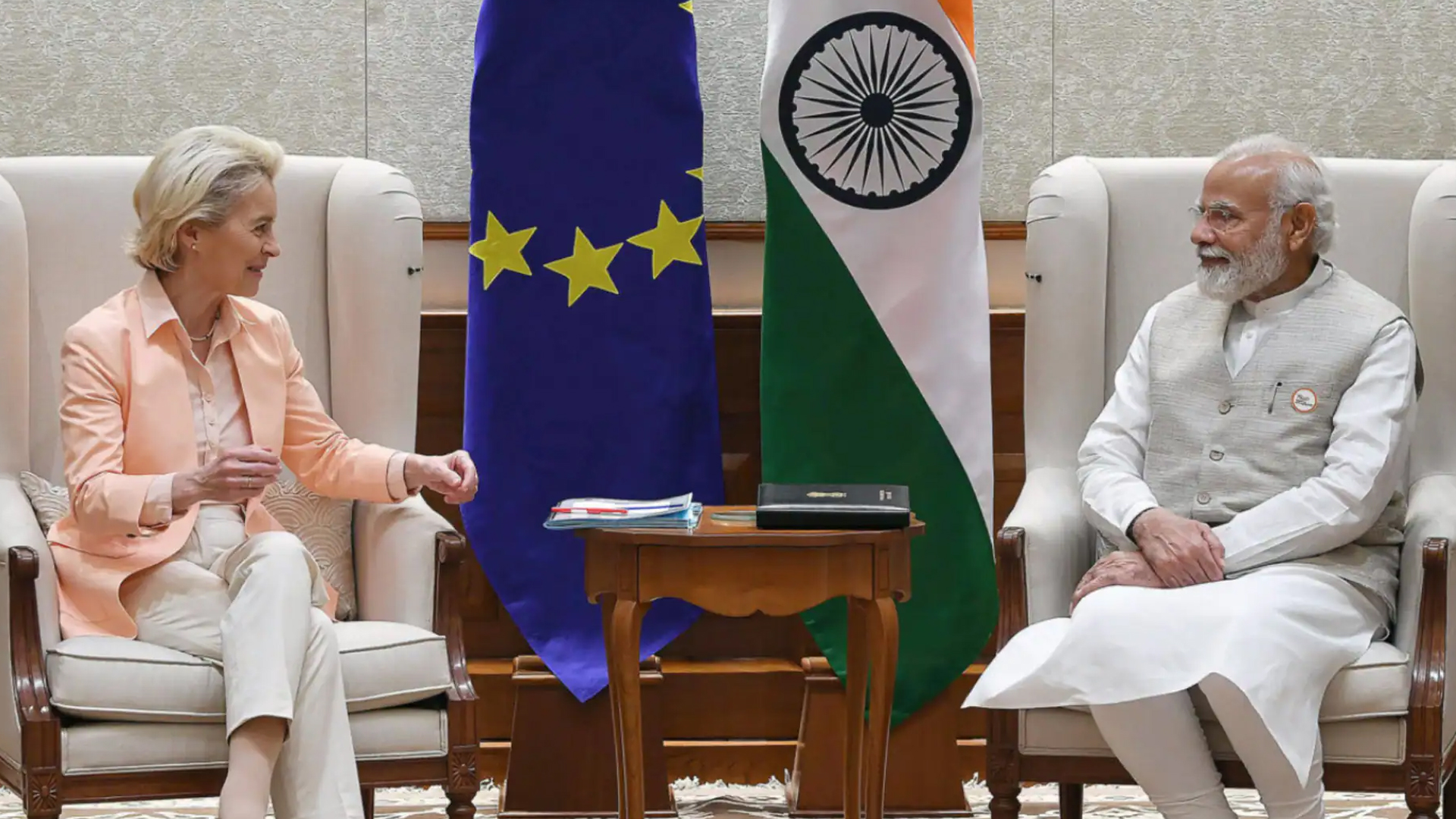
India and the European Union on January 27, 2026, sealed a long-awaited Free Trade Agreement (FTA), marking a historic breakthrough in bilateral economic relations after nearly two decades of negotiations that began in 2007. The agreement was announced at the 16th India-EU Summit in New Delhi by Prime Minister Narendra Modi and European Commission President Ursula von der Leyen, who described it as one of the most ambitious trade pacts concluded by either side.
The FTA brings together two major economic blocs representing around 2 billion people, nearly 25% of global GDP, and about one-third of world trade. It is expected to significantly reshape trade flows at a time when global commerce is under strain from rising protectionism and tariff disputes.
Under the agreement, tariffs will be eliminated or sharply reduced on about 96–97% of goods traded between India and the EU over a phased period. The EU is expected to remove duties on most Indian exports, giving a major boost to labour-intensive sectors such as textiles, leather, gems and jewellery, chemicals, engineering goods, and marine products. Indian exporters are expected to gain improved competitiveness and deeper access to European markets.
For European exporters, the deal is projected to result in annual tariff savings of around €4 billion. A major concession by India includes a steep reduction in import duties on European automobiles, which will be cut from as high as 110% to about 10%, subject to a defined annual quota and a gradual transition period. Duties on wines and spirits will also be reduced substantially over time, benefiting EU agri-food and beverage producers.
At the same time, both sides have safeguarded politically and economically sensitive sectors. Dairy products, cereals, and small cars have been excluded from full liberalisation to protect domestic producers, particularly in India.
Beyond trade in goods, the FTA provides a framework for expanded cooperation in services, investment, supply chains, standards, and regulatory alignment. It also opens the door for future discussions on professional mobility, technology collaboration, and people-to-people exchanges, areas seen as critical to deepening the strategic partnership.
The agreement comes amid shifting global trade dynamics, with India and the EU seeking to diversify trade relationships as uncertainty grows around US tariff policies and broader geopolitical tensions. Officials on both sides see the pact as a strategic move to strengthen economic resilience and reduce over-dependence on a few markets.
The final text of the FTA will now undergo legal scrutiny and vetting, followed by approval from India’s cabinet and ratification by EU institutions, including the European Parliament. Once cleared, the agreement is expected to come into force in late 2026 or early 2027, paving the way for a significant expansion in bilateral trade, investment, and long-term economic cooperation.
Also Read: Public sector banks disrupted by nationwide strike