Finance Minister Nirmala Sitharaman on 1 February 2026 presented the Union Budget 2026–27 in Parliament, unveiling a plan that aims to fuel growth, create jobs, and make India healthier and more self-reliant. With a sharp focus on infrastructure, healthcare, defence, and technology, the Budget seeks to strengthen the economy while directly improving citizens’ lives, from farmers and small businesses to students and start-ups.
At the macro level, the government has set the fiscal deficit at 4.3% of GDP, maintaining a careful balance between fiscal discipline and growth. Total expenditure has been raised, with a record ₹12.2 lakh crore allocated for capital spending, highlighting the government’s focus on infrastructure as a driver of economic expansion.
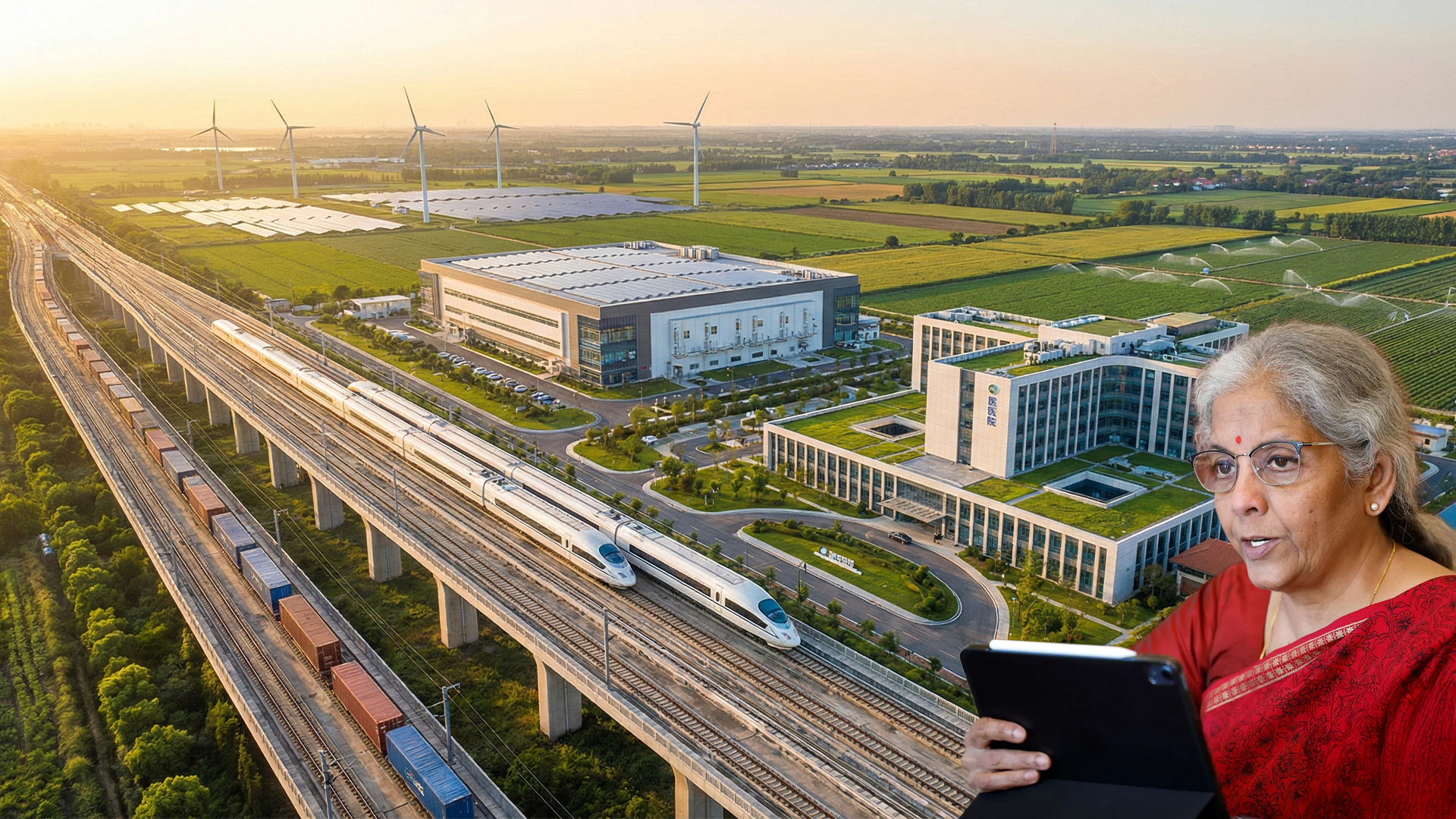
A major thrust of the Budget is infrastructure development. Seven new high-speed rail corridors will connect major urban and industrial hubs, while a dedicated freight corridor between Dankuni and Surat is expected to make cargo transport faster and more cost-efficient. Twenty new National Waterways and expanded coastal shipping plans aim to reduce logistics costs and environmental impact. Urban metro projects, improved road networks, and multimodal transport hubs are also set to improve daily travel and connectivity, generating jobs and strengthening supply chains across the country.
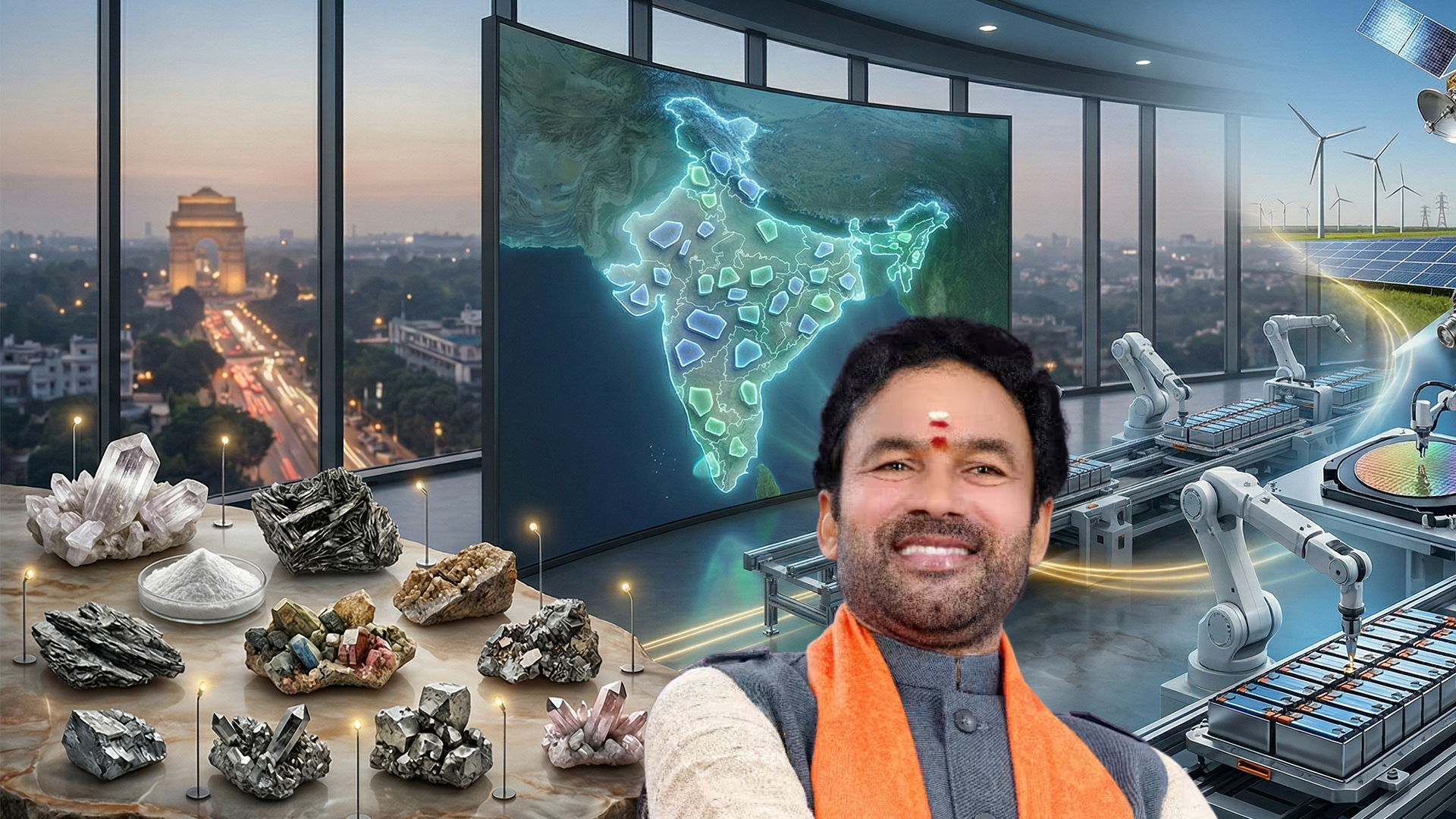
The Budget strongly supports manufacturing and technology sectors. The India Semiconductor Mission 2.0 will expand domestic chip production, research, and design, while Rare Earth Corridors in mineral-rich states will reduce import dependence and bolster clean energy, electronics, and defence industries. The ₹10,000 crore Biopharma Shakti programme aims to position India as a global hub for vaccines, biologics, and critical medicines. Additional incentives for textiles, container manufacturing, industrial parks, and startups are expected to create employment opportunities and boost exports.
Healthcare and social development feature prominently. Expansion of cancer care facilities, early detection programmes, and strengthened mental health services are planned. The Budget also proposes the establishment of three new All India Institutes of Ayurveda to enhance research, education, and global AYUSH outreach. Additional support for public hospitals, life-saving medicines, and emergency care reflects a comprehensive approach to health and wellbeing.
Defence and national security remain priorities, with higher allocations to domestic manufacturing, research, and exports under the ‘Make in India’ initiative. Development of defence corridors and public-private partnerships will further reduce import dependence and strengthen strategic self-reliance.
Farmers, rural communities, and MSMEs will benefit from initiatives to improve productivity, support high-value crops, strengthen fisheries, expand irrigation, and connect farmers to markets through digital platforms. A ₹10,000 crore Growth Fund is expected to make credit more accessible to small businesses and startups while simplifying compliance requirements.
On taxation, the Budget introduces relief and simplification. A new Income Tax Act will take effect from April 2026 with simpler forms and filing processes. Deadlines for revised returns have been extended, minor penalties eased, TCS rates on overseas education and medical treatment reduced to 2%, and the Minimum Alternate Tax lowered to 14%. Incentives for foreign cloud service providers aim to attract investment in India’s growing digital economy.
The Union Budget 2026–27 presents a vision of a stronger, healthier, and more self-reliant India, combining investment-led growth, job creation, technological advancement, and social development while keeping fiscal stability at the forefront.