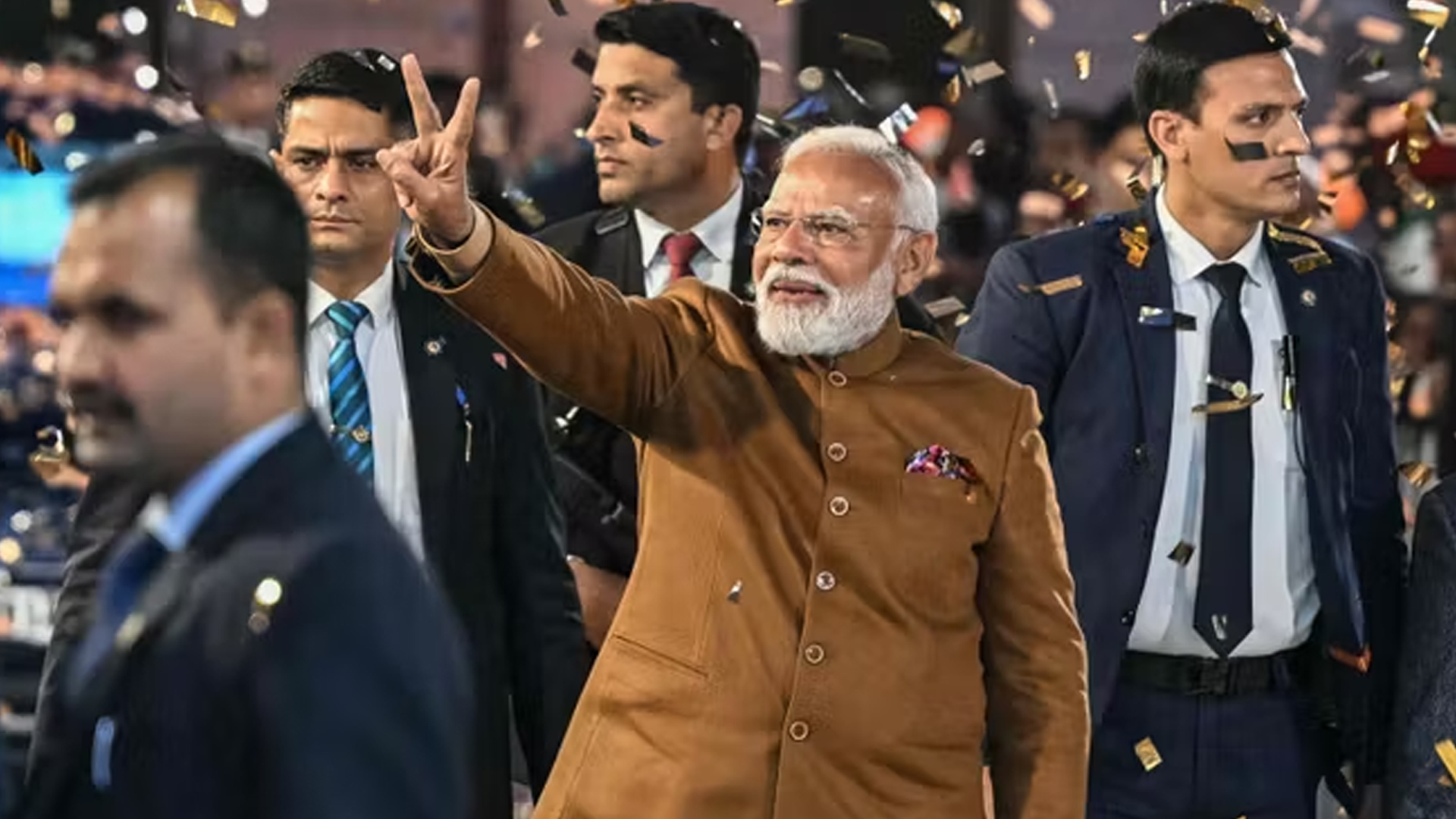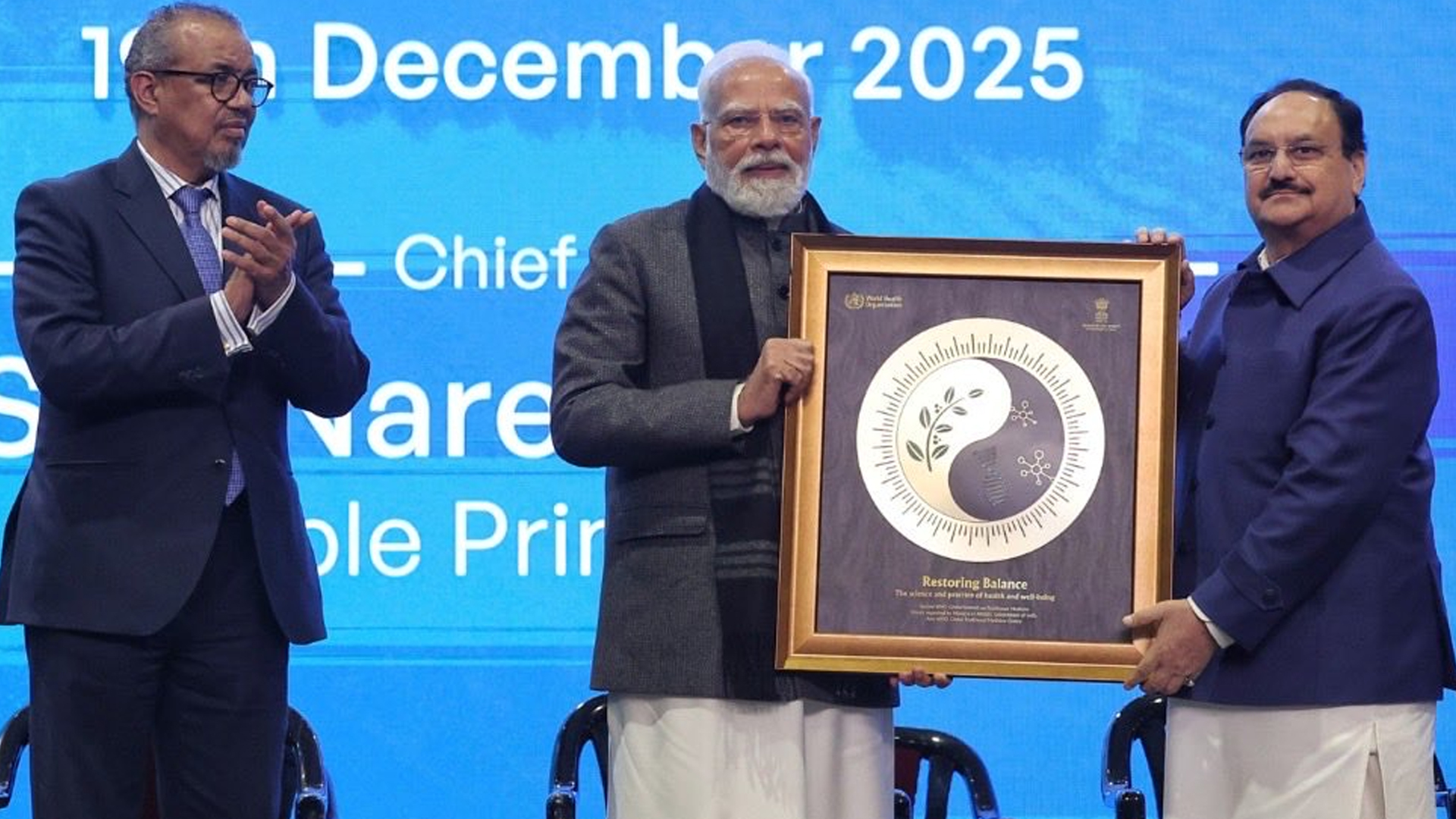
India, in collaboration with the World Health Organization (WHO), unveiled major initiatives to promote traditional medicine globally at the Second WHO Global Summit on Traditional Medicine held in New Delhi. Prime Minister Narendra Modi emphasized that traditional medicine, when combined with modern scientific approaches, can address contemporary health challenges such as chronic and lifestyle diseases. He urged the global community to take faster action to integrate traditional systems into mainstream healthcare.
A key highlight of the summit was the launch of the Traditional Medicine Global Library, a comprehensive digital platform designed to share scientific research, policy frameworks, and best practices worldwide. This resource aims to provide accessible, evidence-based knowledge to researchers, policymakers, and healthcare providers, supporting the safe and effective use of traditional medicine.
The summit also marked the inauguration of the WHO Global Centre for Traditional Medicine in Jamnagar, Gujarat. The centre will act as a global hub for research, regulation, capacity building, and international collaboration, positioning India as a leader in evidence-based traditional medicine. Additionally, the WHO South-East Asia Regional Office in New Delhi was launched to strengthen AYUSH initiatives and promote regional cooperation in preventive and holistic healthcare.
The summit concluded with the adoption of the Delhi Declaration, a collective commitment by participating countries to enhance scientific evidence, safety standards, and integration strategies for traditional medicine worldwide. WHO Director-General Dr. Tedros Adhanom Ghebreyesus praised India for transforming traditional medicine from cultural heritage into a scientifically grounded and globally recognized component of healthcare.
Union Health Minister J.P. Nadda and AYUSH Minister Prataprao Jadhav highlighted that these new platforms and hubs will help advance research, policy development, and the adoption of preventive healthcare practices globally. The initiatives aim to ensure traditional medicine is safe, scientifically validated, and accessible, while supporting holistic and people-centered health strategies.